India’s logistics sector is witnessing rapid growth in cold chain and temperature-controlled logistics, driven by rising demand from pharmaceuticals, food & beverages, agriculture, and healthcare industries. As consumption patterns evolve and regulatory standards tighten, cold chain expansion has become a critical pillar of India’s modern supply chain ecosystem.
Businesses increasingly rely on the best cold chain companies in India to ensure safe, compliant, and efficient movement of temperature-sensitive goods across long distances and diverse climatic conditions.
Temperature-controlled logistics ensures that perishable, sensitive, and high-value goods are stored and transported under precise environmental conditions—maintaining product quality, safety, and compliance from origin to destination.
Understanding Cold Chain Logistics
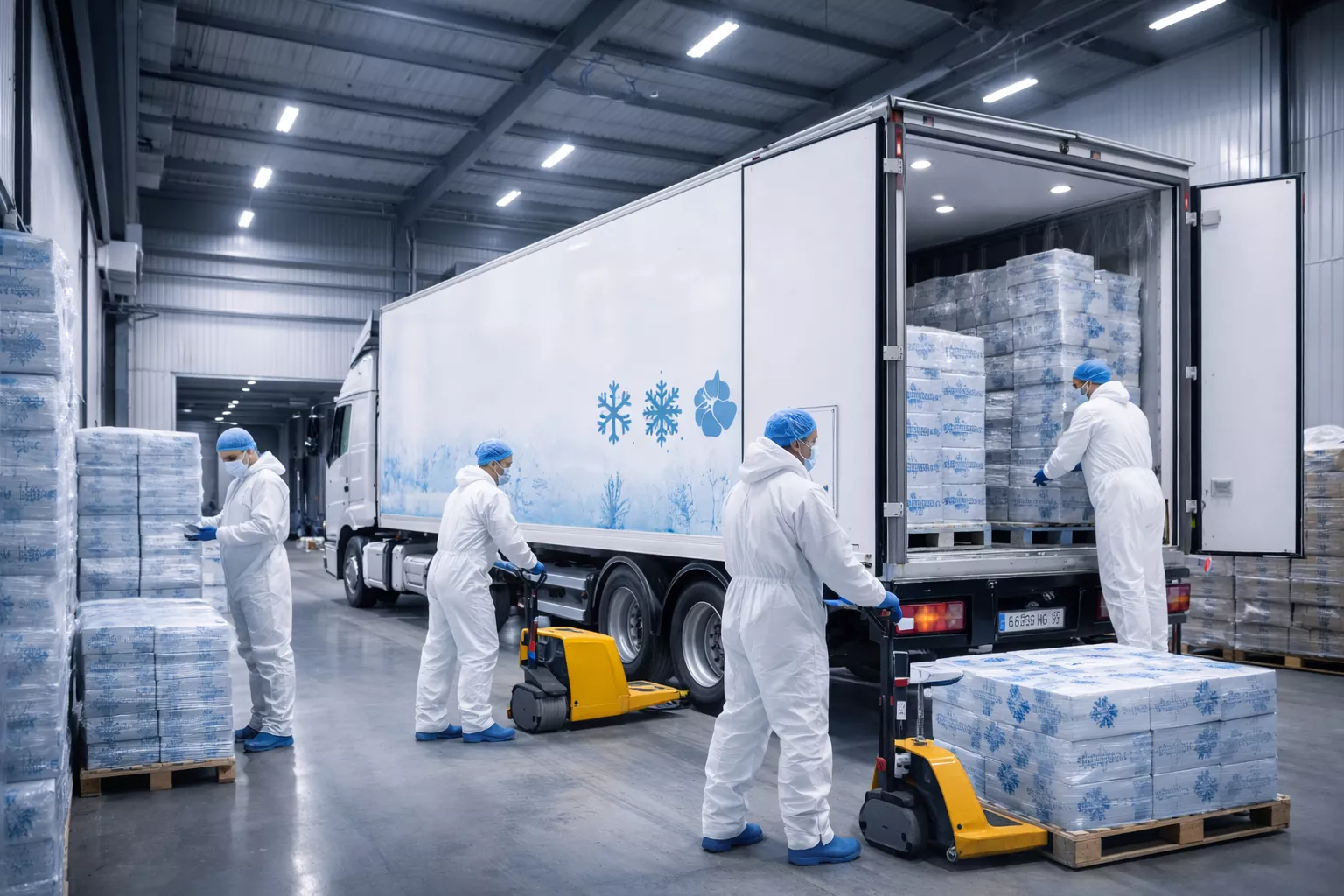
Cold chain logistics refers to a specialized supply chain that maintains a specific temperature range throughout storage, transportation, and distribution. This includes refrigerated warehouses, temperature-controlled vehicles, monitoring systems, and strict handling protocols.
In India, cold chain logistics typically support:
Pharmaceuticals & Vaccines
Dairy, Frozen & Processed Foods
Fresh Fruits & Vegetables
Meat, Seafood & Bakery Products
Specialty Chemicals & Healthcare Products
To manage these sensitive categories efficiently, organizations partner with the best cold chain companies in India that offer robust infrastructure and technology.
Growing Importance of Temperature-Controlled Logistics in India
India’s diverse climate, long transportation routes, and increasing urban demand make
temperature-controlled logistics essential for minimizing wastage and ensuring product
integrity across the supply chain.
Key Drivers of Cold Chain Expansion
Growth of the pharmaceutical and healthcare sectors
Rising demand for frozen and processed foods
Expansion of organized retail and e-commerce
Government focus on food security and healthcare infrastructure
Increasing exports of perishable commodities
Temperature-controlled logistics play a vital role in reducing post-harvest losses and
ensuring the safe delivery of sensitive products across India.
Key Components of Cold Chain Infrastructure
A robust cold chain infrastructure relies on multiple integrated components that work
together to maintain temperature integrity, safety, and compliance across the logistics
lifecycle.
Refrigerated Transportation
Temperature-controlled vehicles equipped with reefer units ensure consistent cooling
during transit, even across long distances and varying climatic conditions.
Cold Storage Warehousing
Modern cold storage facilities provide multi-temperature zones for chilled and frozen
products, supporting efficient storage and inventory management.
Temperature Monitoring Systems
IoT-enabled sensors and data loggers continuously track temperature and humidity,
enabling real-time alerts and compliance reporting.
Handling & Compliance
Standardized handling procedures and regulatory adherence ensure safety, traceability,
and quality control throughout the cold chain.
Benefits of Cold Chain Expansion
The expansion of cold chain and temperature-controlled logistics offers multiple advantages
by strengthening product safety, compliance, and overall supply chain performance.
-
Reduced product spoilage and wastage
-
Improved shelf life and product quality
-
Enhanced regulatory compliance
-
Greater supply chain reliability
-
Increased export competitiveness
-
Improved customer confidence and brand trust
For businesses, working with the best cold chain companies in India is no longer optional—it
is a strategic necessity.
Technology Driving Cold Chain Logistics
Advanced technology plays a crucial role in strengthening cold chain operations in India.
Modern logistics providers leverage digital systems to maintain temperature integrity,
improve visibility, and ensure compliance across the supply chain.
IoT-Based Temperature Sensors
Real-time sensors continuously monitor temperature and humidity to prevent spoilage
and ensure product safety.
GPS-Enabled Fleet Tracking
Live vehicle tracking improves route visibility, delivery accuracy, and response
to transit delays.
Centralized Control Towers
Control towers provide a unified view of cold chain operations, enabling proactive
monitoring and decision-making.
Automated Alerts & Reporting
Automated alerts notify teams of temperature deviations, while reports support
audits and regulatory compliance.
Integrated Warehouse & Transportation Systems
Seamless integration between warehouses and transport ensures end-to-end visibility
and efficient cold chain coordination.
Organizations such as Abhi Impact Logistics Solutions Pvt. Ltd. deploy technology-driven cold chain solutions to ensure end-to-end visibility, control, and compliance across temperature-sensitive supply chains—positioning themselves among the best cold chain companies in India.
Conclusion
Cold chain expansion and temperature-controlled logistics are transforming how sensitive
goods move across India. By ensuring product safety, reducing losses, and improving
compliance, cold chain logistics supports sustainable growth across industries.
As India’s supply chains become more sophisticated, partnering with reliable,
technology-driven providers and the best cold chain companies in India will be essential
for long-term success.