
Cold Chain Warehousing in India
Cold Chain Warehousing in India: Bridging the Gap Between Farm and Market
Cold chain warehousing plays a critical role in preserving perishable goods, reducing post-harvest losses, and ensuring seamless farm-to-market connectivity across India’s growing supply chain ecosystem.
India is one of the world’s largest producers of agricultural commodities, dairy products, and pharmaceuticals. Despite this, a significant percentage of perishable goods are lost every year due to inadequate storage and temperature inconsistencies during transportation. These losses not only affect farmer incomes but also disrupt supply chains and increase costs for businesses and consumers.
Cold chain warehousing has emerged as a vital solution to this challenge. By maintaining controlled storage environments from the point of origin to the point of consumption, cold chain infrastructure ensures product quality, safety, and extended shelf life.
What is Cold Chain Warehousing?
Cold chain warehousing refers to specialized storage facilities designed to handle perishable and temperature-sensitive products such as fruits, vegetables, dairy, meat, seafood, pharmaceuticals, and vaccines. These facilities operate within defined temperature and humidity ranges to preserve product integrity.
Unlike conventional warehouses, cold chain facilities rely on advanced refrigeration systems, insulation, and continuous monitoring. Even minor temperature deviations can compromise product quality, making precision and process discipline essential.
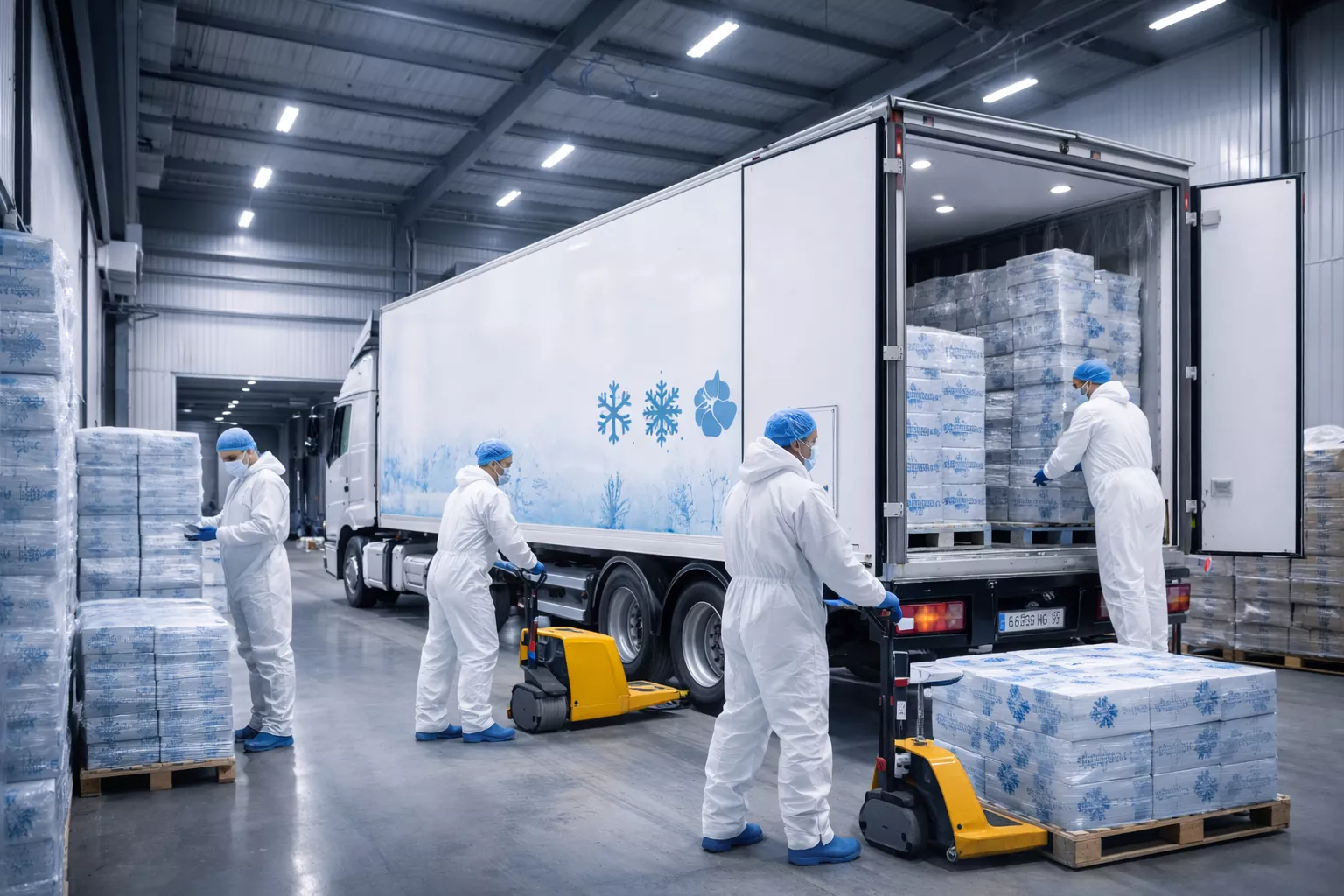
Cold Chain Warehousing in India: Current Landscape
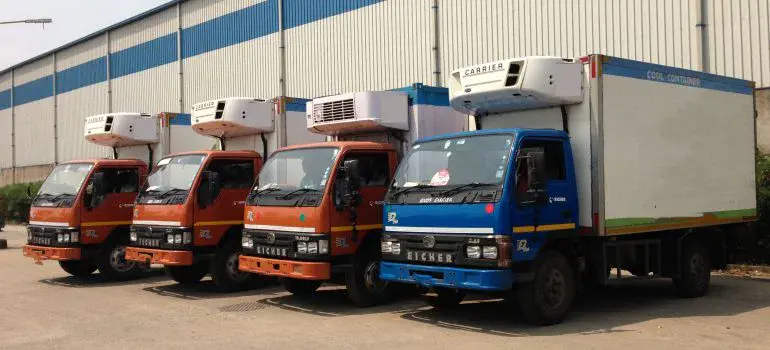
Over the past decade, India has witnessed steady growth in cold storage capacity, particularly near agricultural production centers. This expansion has been driven by rising urban consumption, organized retail, pharmaceutical growth, and export demand.
However, cold chain infrastructure remains unevenly distributed. While storage facilities are often available near farms, connectivity to markets and last-mile cold logistics are still developing. This fragmentation continues to limit efficiency and increase spoilage risks.
Challenges Limiting Cold Chain Efficiency
Despite increasing demand, cold chain warehousing in India faces several structural and operational challenges. High capital investment, energy consumption, and maintenance costs make cold storage facilities expensive to build and operate.
Inconsistent power supply, lack of trained manpower, and limited adoption of standardized handling practices further impact reliability. These challenges highlight the importance of professionally managed cold chain solutions with strong operational controls.
How Cold Chain Warehousing Bridges the Farm-to-Market Gap
Cold chain warehousing acts as a stabilizing link between producers and markets by preserving goods immediately after harvest or production. Early temperature control slows biological deterioration and maintains freshness throughout storage and transit.
For food processors, retailers, and exporters, reliable cold storage ensures consistent supply, regulatory compliance, and reduced wastage. This continuity improves price stability and strengthens consumer trust.

Technology in Modern Cold Chain Warehousing
Technology has transformed cold chain warehousing into a data-driven operation. Automated temperature controls, real-time monitoring systems, and digital warehouse management platforms ensure accuracy and transparency.
These systems improve inventory planning, reduce downtime, and enhance energy efficiency, making cold chain operations more reliable and scalable.
Abhi Impact Logistics Solutions Pvt. Ltd.
At Abhi Impact Logistics Solutions Pvt. Ltd., cold chain warehousing is designed to deliver precision, reliability, and scalability. Our facilities support a wide range of temperature-sensitive products while maintaining strict quality and safety standards.
By integrating storage, transportation, and distribution, we help businesses reduce losses, extend shelf life, and meet market demands with confidence.
The Future of Cold Chain Warehousing in India
As consumption patterns evolve and regulatory standards become more stringent, the demand for professionally managed cold chain warehousing will continue to rise. Automation, sustainability, and integrated logistics will define the future of this sector.
Conclusion
Cold chain warehousing is no longer optional—it is essential for reducing wastage, preserving quality, and strengthening India’s farm-to-market supply chains. With reliable infrastructure and expert execution, businesses can build resilient and efficient logistics networks for the future.