Import vs Export Customs Clearance
Import vs Export Customs Clearance: Key Compliance Differences Explained
Understanding the compliance differences between import and export customs clearance is essential for businesses involved in international trade.
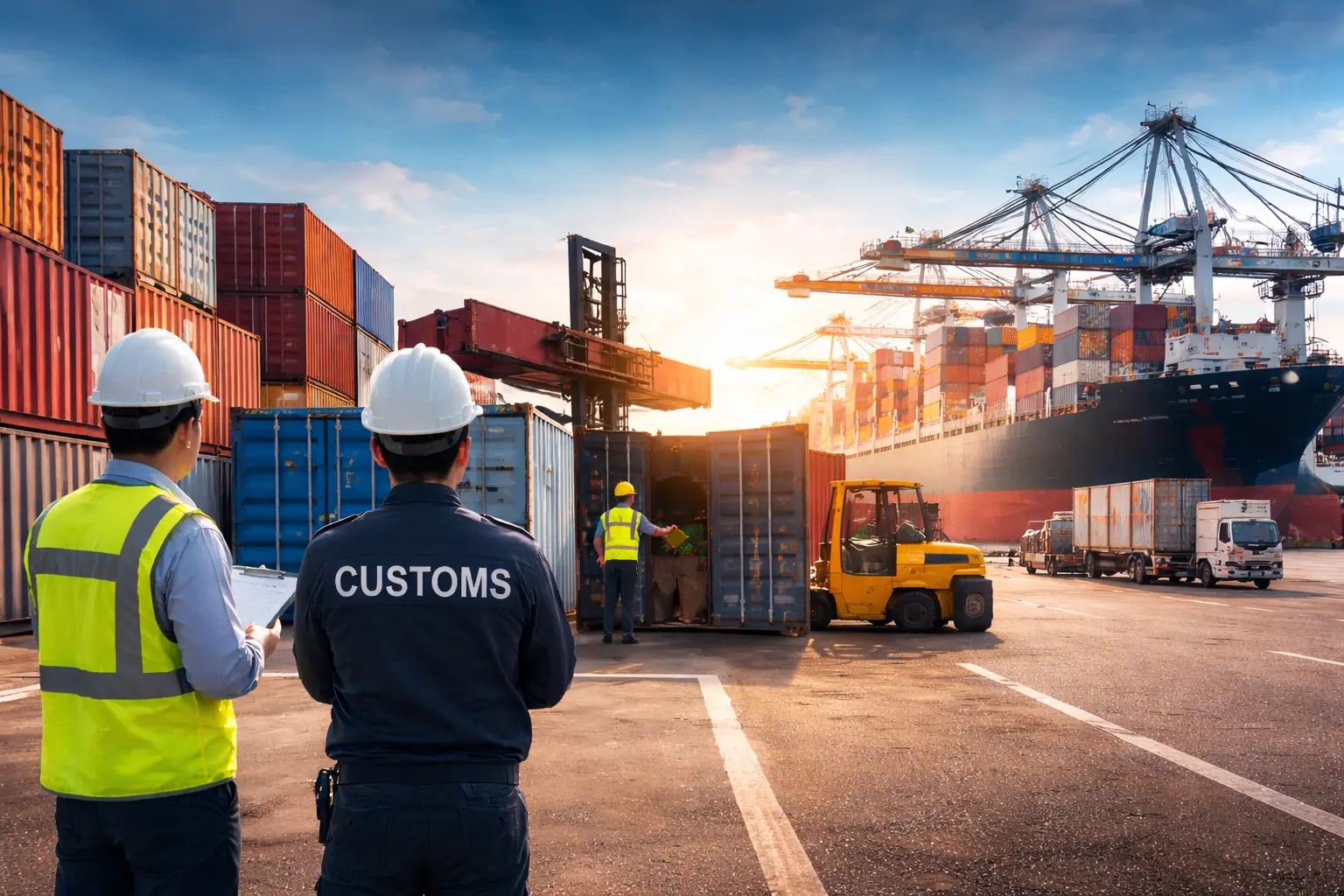
International trade relies heavily on efficient and compliant customs clearance processes. Whether goods are entering or leaving a country, customs authorities play a critical role in regulating trade, enforcing laws, and safeguarding economic interests. Any lapse in compliance can result in shipment delays, financial penalties, or legal complications.
Understanding the differences between import and export customs clearance helps businesses manage regulatory obligations effectively and ensures smooth cross-border operations.
Understanding Customs Clearance in International Trade
Customs clearance is the formal process of declaring goods to customs authorities to obtain permission for their import or export. This process ensures that goods comply with applicable laws, trade policies, and international agreements.
Customs authorities verify product classification, valuation, origin, and destination details. They also assess applicable duties, taxes, and regulatory requirements. Accurate documentation and timely submission are essential to prevent delays and avoid additional costs.
Import Customs Clearance: Key Compliance Requirements
Import customs clearance focuses on regulating goods entering a country. The primary objective is to ensure that imported products comply with national laws, safety standards, and taxation policies. Customs authorities closely scrutinize import declarations to protect domestic industries, public health, and revenue.
Importers are responsible for accurate product classification under the Harmonized System, correct valuation, and declaration of the country of origin. Duties and taxes are calculated based on this information, making accuracy critical. Errors can lead to reassessment, penalties, or seizure of goods.
Export Customs Clearance: Key Compliance Requirements
Export customs clearance governs goods leaving a country. The primary focus is ensuring that exports comply with trade regulations, destination country requirements, and international agreements.
While exports generally do not involve duty payments, exporters must ensure accurate documentation, correct valuation, and compliance with export controls, sanctions, and restricted goods regulations. Certain products may require export licenses or special approvals.
Import vs Export Customs Clearance: Key Compliance Differences
Import and export customs clearance differ in regulatory focus and compliance priorities. Import clearance emphasizes revenue protection, safety compliance, and domestic regulation enforcement. Export clearance focuses on legality, documentation accuracy, and adherence to international trade policies.
Imports generally carry higher financial exposure due to duties and taxes, while exports involve stricter controls on destination compliance and trade restrictions. Understanding these differences helps businesses reduce risks and improve clearance efficiency.
Common Compliance Risks in Import and Export Clearance
Both importers and exporters face compliance risks if customs procedures are not handled correctly. Common issues include incorrect classification, inaccurate valuation, incomplete documentation, and failure to comply with regulatory requirements.
Frequent changes in trade policies and regulations further increase compliance complexity. Businesses without proper expertise or systems are more vulnerable to delays, penalties, and shipment holds.
The Importance of Professional Customs Clearance Support
Customs clearance requires continuous regulatory awareness and precise documentation management. Professional customs clearance support helps businesses navigate complex regulations, minimize errors, and respond effectively to compliance challenges.
Experienced clearance partners bring regulatory expertise, operational efficiency, and risk mitigation capabilities, ensuring smooth movement of goods across borders.
Abhi Impact Logistics Solutions Pvt. Ltd.
At Abhi Impact Logistics Solutions Pvt. Ltd., we support compliant and efficient import and export customs clearance operations. Our approach emphasizes accuracy, regulatory adherence, and process reliability.
By helping businesses manage documentation and compliance requirements, we enable smoother international trade and reduced operational risk.
Conclusion
Import and export customs clearance may appear similar, but their compliance objectives and regulatory requirements differ significantly. Understanding these differences is essential for businesses engaged in global trade.
With the right compliance knowledge and professional support, businesses can reduce risks, avoid delays, and maintain efficient cross-border operations.