India’s logistics and supply chain ecosystem is undergoing a significant transformation with a strong focus on multimodal connectivity. Integrating ports, railways, and road networks has become a strategic priority to reduce logistics costs, improve transit efficiency, and enhance India’s global trade competitiveness.
To achieve this integration, businesses increasingly collaborate with reliable rail transportation companies in India and road transportation companies in India to ensure seamless cargo movement across multiple transport modes.
Understanding Multimodal Connectivity in Logistics
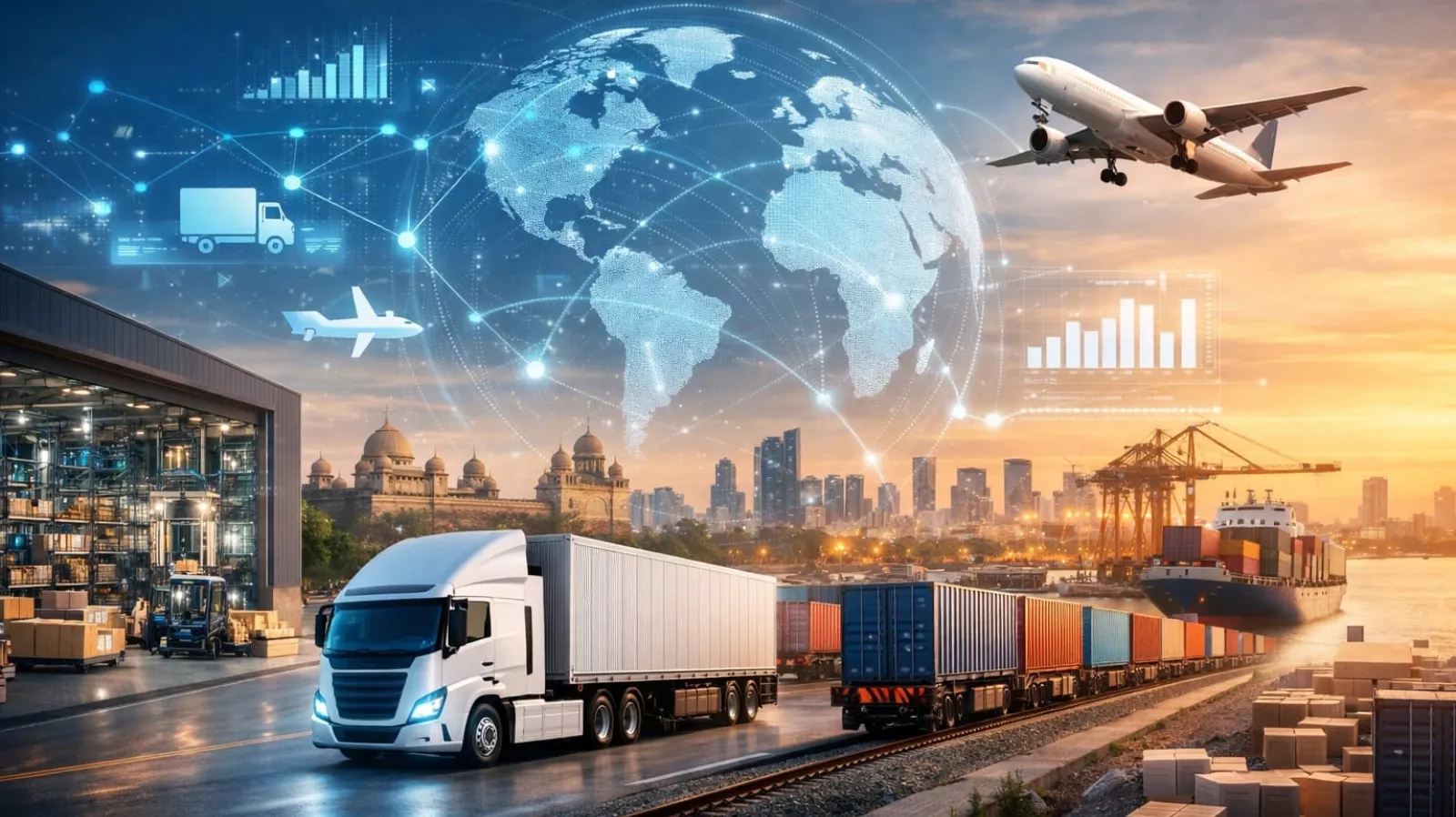
Multimodal logistics refers to the transportation of goods using two or more modes of transport—such as road, rail, and sea—under an integrated operational and documentation system.
-
Road transport for first-mile and last-mile delivery
-
Railways for long-haul and bulk cargo movement
-
Ports for international trade and coastal shipping
This integrated approach ensures smoother cargo flow while minimizing handling delays and operational inefficiencies.
Importance of Multimodal Connectivity in India
India’s vast geography, growing manufacturing base, and expanding export-import activity
demand an efficient logistics backbone. Strengthening connectivity between ports,
railways, and roadways plays a critical role in supporting economic growth.
Reduction in overall logistics costs
Faster cargo movement and reduced transit time
Decongestion of highways and ports
Improved reliability and schedule adherence
Enhanced supply chain resilience
Effective coordination between logistics partners, including rail transportation
companies in India and road transportation companies in India, plays a crucial role
in achieving these benefits.
Role of Ports, Railways, and Roadways
Ports as Trade Gateways
India’s ports serve as critical gateways for international trade. Efficient port
connectivity with inland logistics hubs ensures faster evacuation of cargo and
reduced dwell time.
Railways for Long-Haul Efficiency
Rail transport is ideal for bulk commodities, containers, and long-distance movement,
helping reduce fuel consumption, carbon emissions, and dependency on road transport.
Roadways for First & Last Mile Reach
Road transport remains essential for first-mile and last-mile connectivity,
offering flexibility and access to remote industrial and consumption centers.
Together, these modes form a balanced and efficient multimodal logistics network.
Technology Enabling Multimodal Logistics
Technology plays a crucial role in coordinating multiple transport modes. Modern logistics
providers leverage Transport Management Systems (TMS), centralized control towers, and
real-time visibility platforms to ensure seamless coordination across complex supply chains.
Organizations such as Abhi Impact Logistics Solutions Pvt. Ltd. deploy technology-driven multimodal solutions to integrate rail, road, and port operations with high visibility and operational control.
Conclusion
Boosting multimodal connectivity across ports, railways, and roadways is transforming
India’s logistics landscape. Strategic collaboration across transport modes—including
rail transportation companies in India and road transportation companies in India—is
essential to reduce logistics costs, improve efficiency, and enhance supply chain reliability.
As India continues to invest in infrastructure and digital logistics platforms,
multimodal connectivity will remain a cornerstone of a future-ready and globally
competitive supply chain.