When Should Indian Businesses Switch from 2PL to 3PL?
Understanding the Difference Between 2PL and 3PL
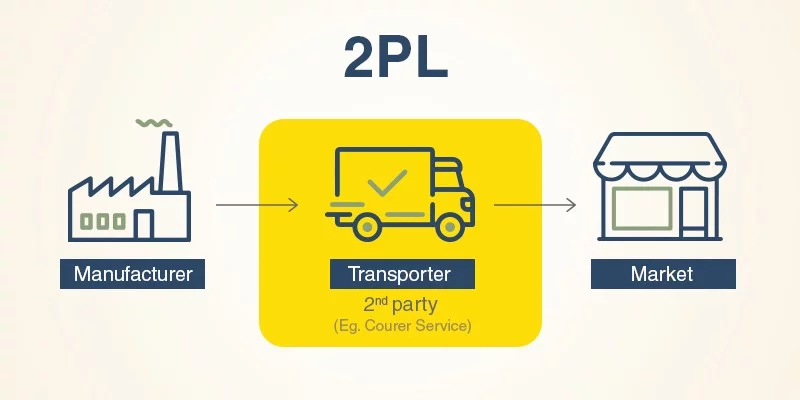
Second-party logistics (2PL) providers primarily focus on transportation services such as trucking, shipping, or rail movement. They are asset-based providers responsible for moving goods from one point to another, usually following predefined routes and schedules.
Third-party logistics (3PL) providers, on the other hand, offer integrated logistics solutions that go beyond transportation. These include warehousing, inventory management, order fulfillment, distribution, technology-enabled visibility, and coordination across the supply chain. Understanding this difference is essential before deciding when to transition from a 2PL to a 3PL model.
Growing logistics complexity with 2PL operations in India
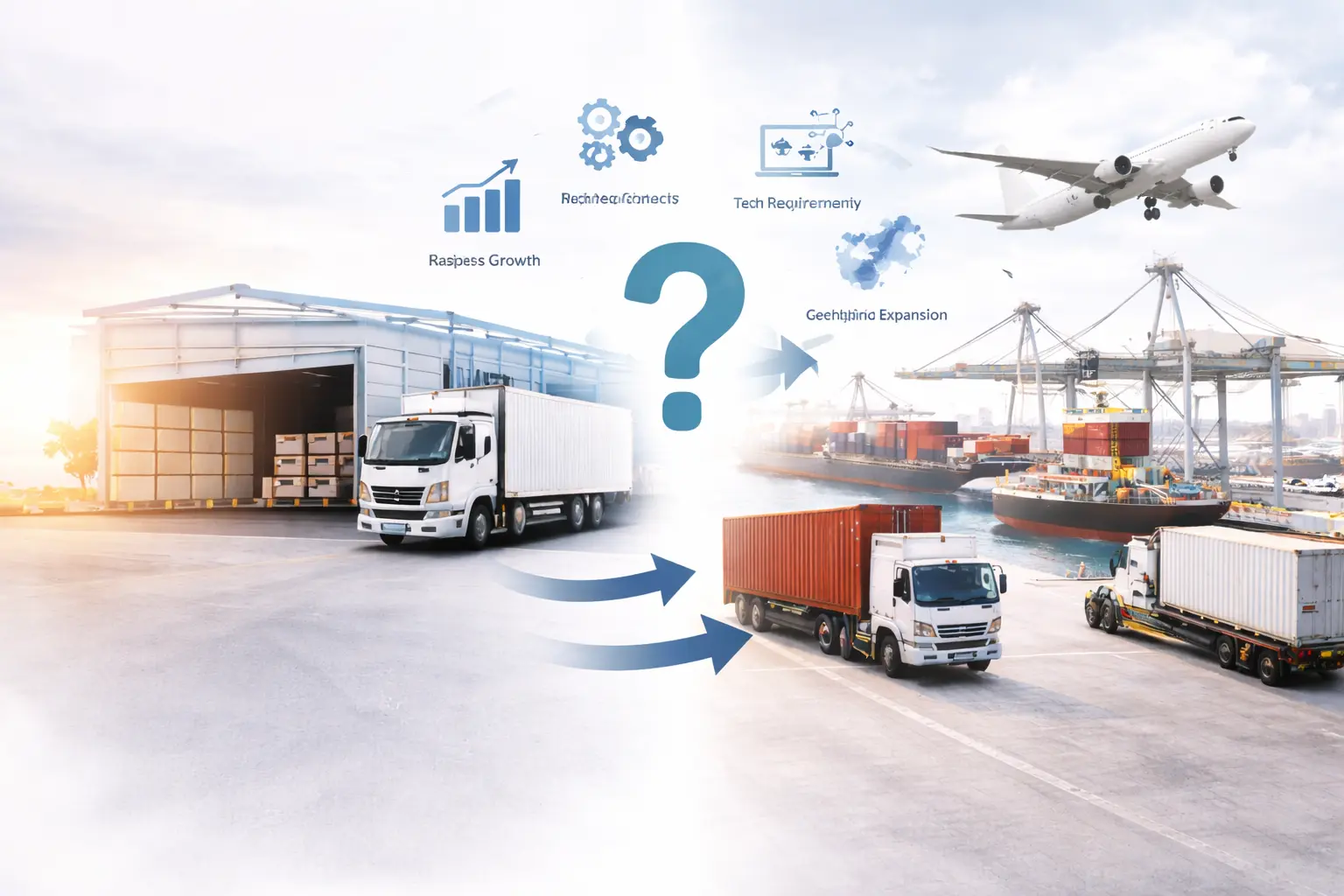
As Indian businesses expand, logistics operations naturally become more complex. Managing multiple transporters, warehouses, regions, and delivery timelines using a 2PL model often leads to fragmented operations and limited visibility.
When internal teams spend increasing time coordinating vendors, resolving delays, and managing exceptions, it becomes clear that the existing 2PL setup may no longer be sufficient. A 3PL helps centralize logistics management, streamline processes, and reduce operational burden.
Limitations of the 2PL Model in Scaling Operations
While 2PL providers are effective for basic transportation needs, they offer limited flexibility when businesses scale or diversify. Seasonal demand fluctuations, rapid geographic expansion, and multi-channel distribution are difficult to manage with a transport-only approach.
Indian businesses often reach a stage where logistics performance begins to affect customer experience. At this point, the lack of integrated warehousing, inventory control, and service-level management under a 2PL model becomes a direct constraint on growth.
Benefits of Transitioning to a 3PL at the Right Time
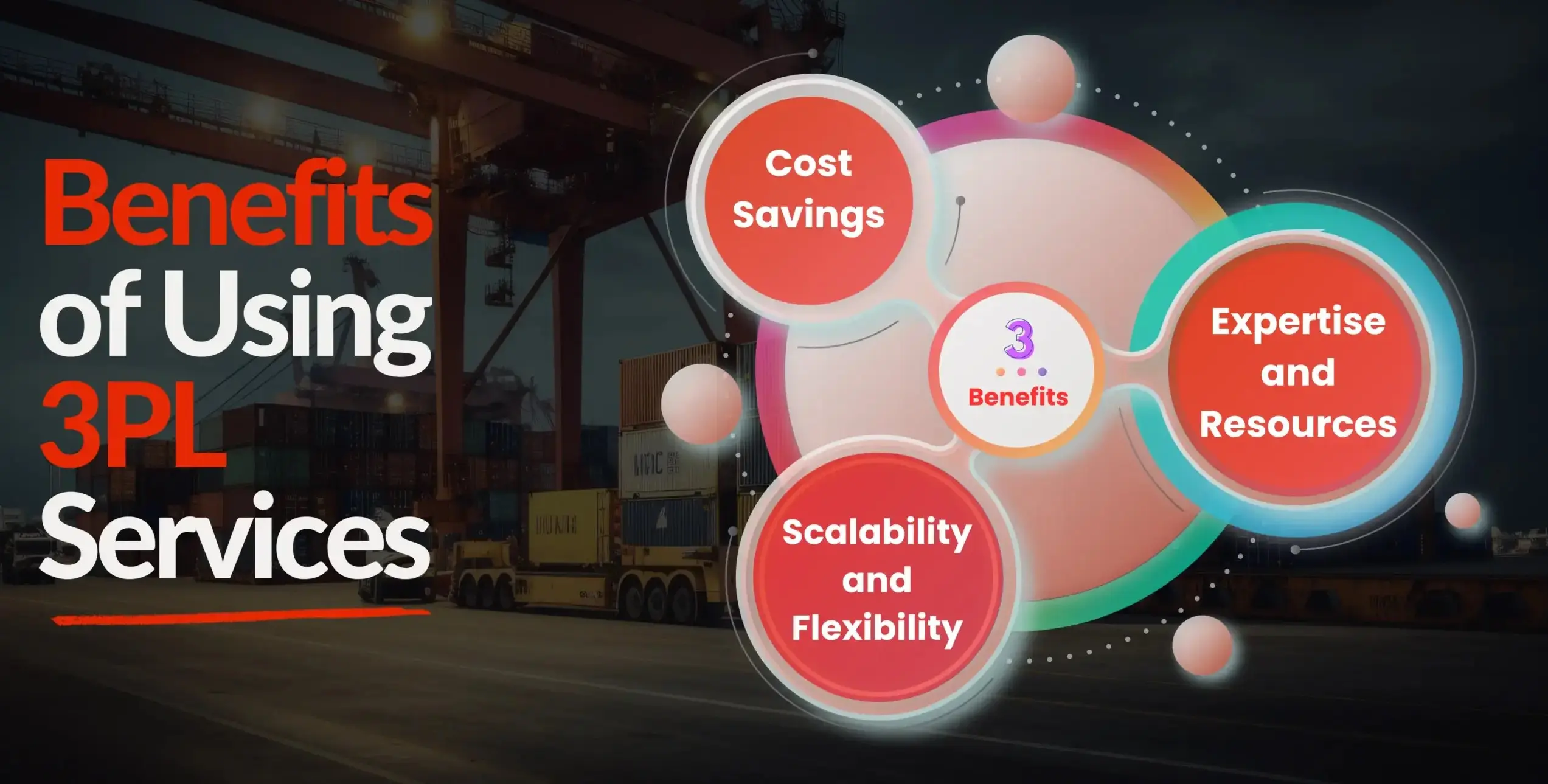
Switching to a 3PL at the right stage allows businesses to convert fixed logistics costs into variable costs while gaining access to professional infrastructure and operational expertise.
A 3PL brings standardized processes, technology-driven visibility, and performance monitoring that are difficult to replicate internally. This transition improves delivery reliability, inventory accuracy, and responsiveness to market changes.
Making a Strategic Decision for Long-Term Growth
The decision to move from 2PL to 3PL should be driven by long-term business objectives rather than short-term cost considerations. When logistics operations begin to limit scalability, visibility, or service quality, it is the right time to evaluate a 3PL model.
By choosing the right 3PL partner, Indian businesses can focus on core activities, improve customer satisfaction, and build supply chains that support sustainable growth in a dynamic market.
Conclusion
Switching from a 2PL to a 3PL model is a strategic decision that reflects the evolving needs of growing Indian businesses. As logistics operations become more complex, relying solely on transport-focused solutions often limits visibility, scalability, and operational control.
A well-timed transition to a 3PL enables businesses to centralize logistics management, improve service reliability, and gain access to integrated infrastructure and technology. By partnering with the right 3PL, organizations can reduce operational burden, enhance customer satisfaction, and build resilient supply chains that support long-term growth in a dynamic market.